Polymarket's World Cup Bet Puts Culture Before Media Spend

What does a prediction market sound like when it stops selling odds and starts selling culture? Polymarket has an answer, and it arrives narrated by Rick Rubin.
The company has launched Questions Are Everything, its first global brand campaign, timed to the 2026 World Cup. It was built with New York creative shops Better Half and Four Four Entertainment.
"If you could ask one question, what would you ask?" Rick asks in the hero film, cross-legged and unhurried. "Questions are everything," runs the campaign line. "Because the people who never stop asking are the ones who find answers."

The bet runs on talent, not airtime
Thirty million views in under 24 hours. That was the opening count for Flags, Polymarket's new World Cup commercial, a short film directed by Gabriel Moses and set to Kanye West's "Runaway".
Fifteen national flags fill the screen, and each one ties to a live market on whether that country lifts the Cup.
Then comes the cast, which pulls in Rick, Future and Peso Pluma but not a single athlete. Polymarket is attempting to use the World Cup as a doorway into culture, and musicians are how it walks through.
A 15-second cut has run all tournament, and a 30-second version premiered during the UFC card at the White House. Country editions for Argentina, Portugal, Senegal, Britain and France follow the bracket, backed by billboards in each market.
The client took the creative chair
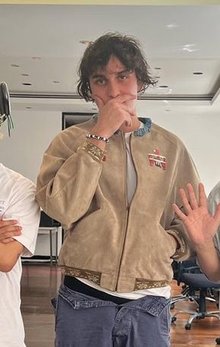
The campaign was led by Daf Orlovsky, Polymarket's creative director, with Better Half and Four Four executing his brief. Founder and CEO Shayne Coplan even takes a story credit as well. The client owned the idea and the shops built it.
Polymarket can work this way because it never relied on advertising. The product made the brand famous, turning it into the number people cite in arguments about elections, sport and awards season.
Intercontinental Exchange, which owns the New York Stock Exchange, is an investor, and Polymarket's data runs through Dow Jones titles. The company also holds places on both the TIME100 and the Forbes Fintech 50.
Shayne wants a market for anything the culture discusses. "We want to have a Polymarket for it," he says. The campaign carries that into pop culture, after the Dear Media podcast "What Are the Odds?" began piping live odds into celebrity chat.
Culture as a hedge against regulation
Prediction markets are under fresh scrutiny, with US regulators weighing rules that would ban war and assassination contracts while clearing sports wagers. In Britain, the activity still sits under gambling law. A warm, philosophical brand film is a useful counterweight when politicians question whether you should exist.
Rivalry sharpens the choice too. Kalshi, Polymarket's closest competitor, has leaned on sponsorships and stadium signage to buy attention while Polymarket is leaning on this new campaign instead. Tournament markets on Polymarket have passed US$2bn, and annualised revenue has crossed US$1bn.
For the wider industry, the lesson lands beyond betting. When a category feels risky or misunderstood, the fastest route to legitimacy may be cultural fluency. Polymarket has framed a question and let Rick ask it. The answer, it hopes, is trust.
Company portals


Executives
Daf Orlovsky
Creative Director
Shayne Coplan
Founder & CEO