
The Logo Change That Cost Cracker Barrel's CEO Her Job
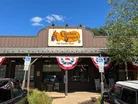
How much is a cartoon of an old man leaning on a barrel worth? For Cracker Barrel, about US$100m.
That is roughly what the chain's market value dropped last August when it wheeled Uncle Herschel, the whittled old-timer who had anchored its logo for decades, off to make way for a sleek, text-only design. Nearly a year on, the exec who signed off on the makeover is leaving.
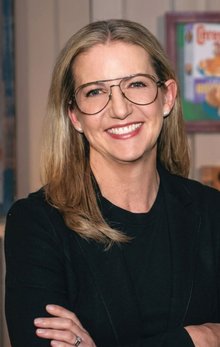
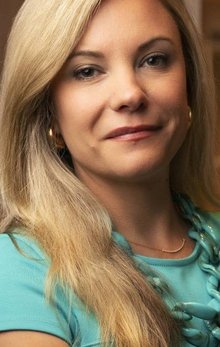
Cracker Barrel said on Monday that Julie Masino will step down as CEO on 10 August, staying until October to hand over. She had inherited a real problem, a beloved brand slowly ageing out of relevance, and answered it with a bold modernisation.
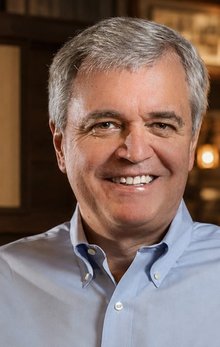
Her replacement is a restaurant operator by trade. David Deno spent five years running Bloomin' Brands, the owner of Outback Steakhouse, and takes the Cracker Barrel job with a board seat attached.
The market gave the change a cool reception, marking the shares down about 3%. Julie leaves with more than US$4.6m in severance; David starts on a US$1m base, plus bonus and equity.
A brand you were not supposed to touch
The rebrand was ambitious, maybe too ambitious. Cracker Barrel does not trade on minimalism, but on rocking chairs, biscuits and the reassuring sense that little has changed since 1969.
So the "All the More" campaign asked a lot of its fans, swapping country warmth for bright, minimalist walls and retiring the Old Timer.
If anything, the intensity of the pushback proved how much brand equity was there to protect. Customers said their piece, President Donald Trump demanded that the company should “go back to the old logo”, and Cracker Barrel did the commercially smart thing and listened.
Within days the logo was back, and by September the remodel was shelved too.
Her successor is choosing warmer words. "Cracker Barrel is a truly iconic American brand, defined by its unique combination of warm country hospitality, timeless appeal and deep connection with guests across generations," says David, who also joins the board. "I am honoured to lead the Cracker Barrel team and look forward to unlocking the full potential of this remarkable brand."
The problem the rebrand did not solve
Underneath the pantomime is a real business to fix. Same-store sales fell 2.6% in the quarter to early May, foot traffic dropped 6.7%, and revenue slipped nearly 3% to US$797.4m.
The decline Julie was trying to reverse, telling investors back in 2024 the brand was "just not as relevant as we once were", has not gone anywhere.
That is the awkward lesson in all of it. Julie was probably right that Cracker Barrel needed a freshen-up. She was just wrong about the one asset she could not touch.
A brand built on never changing cannot be rebranded without breaking the promise that made it worth something. David inherits a chain now better known for the fight over its logo than for anything on the menu, which is a marketing problem all its own.
The problem the rebrand did not solve
Underneath the noise is a real business to steady. Same-store sales fell 2.6% in the quarter to early May, foot traffic dropped 6.7% and revenue slipped nearly 3% to US$797.4m.
The slowdown Julie named in 2024, when she told investors the brand was "just not as relevant as we once were", is still there for her successor to tackle.

But David inherits something most turnaround bosses would envy. Few brands command the kind of loyalty that makes customers fight to keep a cartoon barrel and an old man in overalls. Julie was right that Cracker Barrel needed to move.
The lesson she leaves him is that its fans will follow, as long as he takes them with him rather than ahead of them.
Company portals
Executives
David Deno
CEO
Julie Masino
CEO
Sarah Moore
CMO