
Fast Food Advert Ban: UK Government's Plan for Healthy Kids

The UK advertising industry faces a fundamental shift in how food and beverage brands can reach younger audiences, as sweeping restrictions on junk food marketing come into force on 5 January 2026.
The new regulations will prohibit advertising for less healthy food and drinks on television before 9:00pm and ban all paid-for online advertising for these products.
The measures could reshape media planning strategies and force brands to reconsider their creative approaches, with the government estimating the restrictions could remove up to 7.2 billion calories from children's diets annually.

Marketing strategies under pressure
The landmark advertising ban targets the media channels most frequently consumed by children, fundamentally altering how food and beverage marketers can communicate with families.
Brands will need to adapt their media buying strategies and creative messaging to comply with regulations that could transform the competitive landscape.
The restrictions come as UK Government data reveals that 22.1% of children in England enter primary school overweight or obese, rising to 35.8% by the time they leave. Tooth decay remains the leading cause of hospital admissions for young children, typically ages five to nine.
"By restricting adverts for junk food before 9pm and banning paid adverts online, we can remove excessive exposure to unhealthy foods, making the healthy choice the easy choice for parents and children," says Ashley Dalton, Minister for Health, UK Government.
The advertising restrictions form part of a broader regulatory package that includes the Healthy Food Standard, local authority powers to control fast food outlets near schools and an extended Soft Drinks Industry Levy. A ban on selling high-caffeine energy drinks to under-16s will also take effect.
Industry adaptation and reformulation
The government anticipates the restrictions could prevent 20,000 cases of childhood obesity and deliver around £2bn (US$2.7bn) in health benefits. For advertisers and brands, this could mean significant shifts in budget allocation and campaign strategies.
"It's been one battle after another, but we are finally going to see children being protected from the worst offending junk food adverts," says Katharine Jenner, Executive Director, Obesity Health Alliance.
Many food and beverage companies have already begun aligning their practices with the regulations. The measures follow the Soft Drinks Industry Levy, which prompted numerous brands to reformulate products and reduce sugar content voluntarily, demonstrating how regulation can drive innovation.
The restrictions specifically target television advertising between 5:30 am and 9:00 pm and all paid-for online advertising, including social media platforms. Traditional out-of-home advertising such as billboards remains unaffected, potentially creating new opportunities for media planners.
Thirteen product categories face advertising restrictions: sugary drinks, savoury snacks, sugary cereals, chocolates, ice creams, cakes, sweet biscuits, pastries, desserts, sweetened yoghurts, pizzas, prepared potato products and main meals.
Navigating the new advertising landscape
Products deemed 'less healthy' within these categories will face advertising bans unless reformulated to meet healthier standards. Plain porridge oats, for example, will not face restrictions, though sugar-laden versions may.
This distinction could incentivise brands to invest in product development and reformulation, opening new marketing opportunities around healthier variants.
"The world around us heavily influences what we eat and drink, which is why Cancer Research UK has long campaigned for restrictions on advertising unhealthy foods to children," says Malcolm Clark, Senior Policy Manager at Cancer Research UK.
For marketing professionals, the restrictions represent both challenge and opportunity. Brands that successfully reformulate products could gain competitive advantage through unrestricted advertising access, while media agencies may need to develop innovative approaches to reach family audiences through compliant channels.
The shift could accelerate trends toward influencer partnerships, experiential marketing and adult-focused digital strategies.
As part of the government's 10 Year Health Plan, these measures signal a decisive move toward prevention in public health policy, with implications extending beyond immediate campaign planning to long-term brand positioning and product development strategies.



Executives
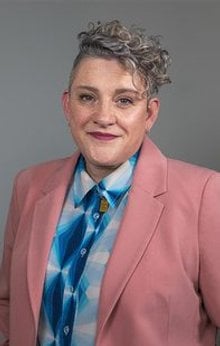
Ashley Dalton
Minister for Health

Colette Marshall
CEO

Katharine Jenner
Executive Director

Malcolm Clark
Senior Policy Manager