
Big Pharma Meets the WNBA: Inside Lilly's Amazon Ads Play
For years the ad boards at women's basketball games sold you sneakers, sports drinks and the odd insurance quote. This season one of them is pushing a 150-year-old drugmaker.
Eli Lilly has joined the stampede into women's sports, teaming with Amazon Ads on a 30-second spot starring basketball star Candace Parker that ran during a WNBA on Prime doubleheader on 30 July.
It shows where the ad money is going now: not towards the sport with the biggest crowd, but the one appreciating fastest.
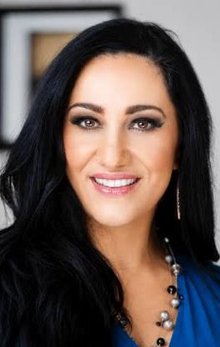
"Women's sports are at the center of culture, and conversations about health belong there too," says Lina Polimeni, Lilly's SVP and Consumer CMO, in a statement.
The company wants to be seen, she adds, "not just as a sponsor on the sidelines, but a partner invested in where the game is going."
Why a drugmaker is chasing the WNBA
The spot shows Candace in a practice gym, cycling through the many roles she plays off the court, as she talks about looking after her health.
The casting is no accident. Candace calls WNBA games for Prime Video, part-owns the NWSL's Angel City FC and runs Adidas Women's Basketball. This month she enters the Naismith Basketball Hall of Fame.
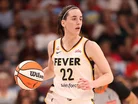
It is not Lilly's first time on the court. The campaign follows May's "Start How You Can" spot, which starred WNBA phenom Caitlin Clark and came through agency Wieden+Kennedy Portland.
The Indiana drugmaker also wears the jersey patch of Caitlin's Indiana Fever, and now serves as presenting sponsor of the NWSL on Prime. For a company best known for insulin and, lately, the weight-loss drug Zepbound, courtside is fresh ground.
Amazon's women's sports gold rush
For Amazon, the Lilly deal is a template. Its ads team now sells brands not just airtime, but access to Prime Video's on-air talent, Candace included. Mercedes-Benz USA ran a similar talent-led campaign with the platform.
"We see that brands stand out more when they're leveraging our own talent to tell their stories during the live events," says Amy McDevitt, Head of Sports Partnerships at Amazon Ads.
Demand is fierce enough that Amazon is nearly sold out of WNBA and NWSL inventory. "In certain cases, we're having to build incremental opportunities to answer the demand," she says.
Amazon has carried the WNBA since 2021 and, in a 2024 deal, locked exclusive rights to 30 regular-season games a year for more than a decade.
This season it wrapped both leagues in full pre-game, halftime and post-game shows, shot in the same studio as its NBA coverage.
Treating the women's game like the men's tells advertisers the product is premium, not an experiment.
The numbers behind the boom
Live sports helped lift Amazon's ad business to US$19.8bn in the second quarter.
The case for going broad is statistical. Brands advertising across several sports drew 2.3 times the unduplicated reach of single-sport rivals, while multisport viewers spent 12% more and placed 17% more orders.
For marketers, the pull is not only reach but tone. Women's sports audiences skew younger and more loyal to the brands that turn up early, before inventory prices catch up with the hype.

Women's sports have become the fastest-appreciating asset in media. The advertisers are no longer only sportswear labels.
The audience once treated as an afterthought is now the hottest ticket in the house, and a 150-year-old drug company does not want to watch from the cheap seats.


Executives

Amy McDevitt
Head of Live Sports Sales Partnerships
Lina Polimeni
SVP and Consumer CMO