Google AI Accelerator Targets Climate Tech Marketers

Global electricity demand could increase by 50% over the next five years compared with the previous decade, according to the International Energy Agency. Manufacturing, electrification and digital infrastructure are expected to account for the growth. This surge creates both opportunity and complexity for energy technology companies attempting to position their solutions within rapidly evolving markets.
Google has opened applications for its second Google for Startups Accelerator programme, targeting companies using AI to modernise energy grids. The equity-free initiative runs from September through November and combines virtual learning with opportunities for in-person collaboration at Google facilities.
The programme connects startup founders with Google employees, industry specialists, energy utilities and venture capital partners. Selected companies receive access to Google Cloud infrastructure and AI tools including Gemini. This access extends beyond technical resources to include strategic guidance on product positioning and market entry strategies.
For climate tech startups, market positioning becomes critical as technical solutions mature. The accelerator provides participating companies with resources to refine their go-to-market strategies alongside product development support. Many energy technology companies possess strong engineering capabilities but struggle to communicate value propositions to utility buyers, investors and regulatory bodies who control market access.

Brand strategy for energy tech
Google's programme focuses on three areas where AI tools could increase energy efficiency. These include optimising data systems for utilities and grid operators, accelerating development timelines for power and transmission infrastructure, and expanding access to energy efficiency initiatives across residential and commercial sectors.
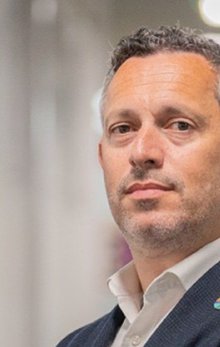
"No single company can solve the energy crisis alone," says Adam Elman, Director of Sustainability at Google EMEA. "Our goal is to foster a collaborative ecosystem where groundbreaking, market-ready startups can leverage Google's AI and cloud expertise to sharpen their technology."
Adam adds that helping companies improve and scale accelerates deployment of solutions critical to a sustainable future. The programme targets startups working on energy efficiency, grid modernisation and demand optimisation. These categories represent areas where technical innovation alone proves insufficient without corresponding advances in market strategy and customer education.
Marketing leaders in climate tech face the challenge of communicating complex technical benefits to utility companies, investors and policymakers. Access to Google's network could provide startups with the credibility and partnerships needed to reach enterprise buyers. The programme structure addresses this gap by pairing technical mentorship with commercial strategy sessions focused on messaging frameworks, customer segmentation and channel development.
Messaging for technical solutions
The 2025 cohort demonstrated how positioning and market access affect commercial outcomes. Participating startups collectively raised more than US$140m, according to Google. This funding success reflects not only technical progress but improved ability to articulate market opportunity and competitive advantage to investors.
Artemis, a US-based company, improved solar imaging accuracy while reducing household costs through AI-enhanced analysis. "Google's AI for Energy helped us use generative AI to improve our platform," says Walid Halty, Co-Founder and CEO at Artemis.
Walid notes that the Gemini and GCP team provided access to cutting-edge tools and pushed the company's technology further. The company's participation enabled refinement of both product capabilities and the messaging required to communicate those capabilities to residential solar installers and utility partners.
France-based Tilt Energy expanded its distributed energy capacity platform across multiple countries during the programme, helping optimise electricity demand during high-stress periods. The company's international expansion required adaptation of positioning strategies to accommodate different regulatory environments and utility procurement processes across European markets.
Spain's Delfos enhanced predictive maintenance systems capable of identifying renewable energy asset failures up to 300 days in advance. "The accelerator sharpened our technology, clarified our GTM strategy and unlocked speed in execution," says Guilherme Studart, CEO of Delfos Energy.
Programme reach and positioning
Guilherme adds that Delfos is now better equipped and more confident to scale globally. For energy tech startups, go-to-market clarity often determines whether technical innovations reach commercial deployment. The programme's emphasis on strategic positioning alongside technical development reflects recognition that market adoption barriers frequently stem from communication challenges rather than product limitations.
Google's accelerator sits within a broader ecosystem of climate-focused initiatives. Since 2021, the Google for Startups Accelerator: Climate Change has supported 83 startups across five continents, creating a network of companies addressing interconnected challenges within the energy transition.
The company runs complementary programmes including AI for Science, which offers mentorship and pro bono resources for academic institutions developing AI applications for climate change. Startups for Sustainable Development aims to support more than 800 impact-driven companies across 80 countries working toward the United Nations Sustainable Development Goals.
These initiatives bridge the gap between scientific research, corporate sustainability targets and scalable commercial solutions. By providing startups with access to Google Cloud infrastructure, Google Earth Engine, environmental datasets and AI modelling capabilities, the company reduces financial and technical barriers that could limit climate tech innovation.
Company portals



Executives
Adam Elman
Director of Sustainability for EMEA

Guilherme Studart
CEO

Walid Halty
Co Founder and CEO