Hilton Cuts Franchise Emissions Through Brand Standards
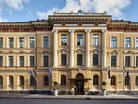
Hilton does not directly manage most of its properties – a challenge when the company tries to reduce emissions across its franchised properties.
But, according to Hilton's 2025 Travel with Purpose report, carbon emissions intensity at franchised properties worldwide dropped by 36% compared to 2008. To achieve this, the company provided support for property owners on sustainable building designs and technologies.
Hilton also cut carbon emissions intensity by 50.9% at its managed properties, using energy efficiency programmes and followed science-based targets and ISO standards.

Franchise support model
Hilton has added sustainability support to its business model for property owners, providing guidance on building designs and technologies that reduce environmental impact.
The Hilton Garden Inn Brussels Airport, for instance, opened in 2025. It uses only renewable electricity from geothermal energy and more than 600 solar panels.
The property has earned BREEAM Excellent, WELL Gold and DGNB Gold certifications, making it the only hotel in Belgium with all three.
"Since 2019, Hilton's global portfolio has expanded by nearly 50% in square footage, while our total emissions have increased by less than 5%," says Jean Garris Hand, VP and Global Head of Sustainability and Responsible Business at Hilton.
Operational waste targets
Hilton has also reduced landfill waste intensity by 64.7% across managed properties, reaching its 2030 goal ahead of schedule.
According to the report, Hilton cut water use intensity by 37.1% at managed properties. The company partners with communities through the Hilton Global Foundation to make circular practices part of daily routines.
In 2025, these partnerships kept over 2.1 million pounds of waste out of landfills. Hilton donated 2.4 million pounds of food and provided more than 2.3 million meals to local communities.
Jean says Hilton demonstrates that business growth and environmental impact do not have to rise together through innovation, collaboration across global teams and partnerships with owners, operators, suppliers and communities.
Brand positioning value
Corporate travellers are able to reduce the environmental impact of their business trips and events as a result of these efforts, which could show how sustainability programmes can create marketing advantages for hospitality brands targeting business clients.
"Through Travel with Purpose, we're making meaningful, measurable progress across our people, our hotels and our communities – strengthening the experiences we deliver to guests while driving long-term value for our business," says Katherine Lugar, EVP of Corporate Affairs and President of the Hilton Global Foundation.
"From investing in our award-winning culture to advancing more sustainable stays and supporting communities around the world, this work reflects how purpose is embedded in how we compete, grow and lead."
Company portals
Executives
Jean Garris Hand
Vice President, Global Head of Sustainability