
Brand Finance: GLP-1 Usage Shifts Consumer Habits
Is GLP-1 usage changing the brand value of some of the biggest food and drink companies?
According to research from Brand Finance, more than a quarter of the combined brand value of the world’s 100 most valuable food brands sits in categories that are ‘structurally exposed’ to GLP-1-driven shifts in consumption.
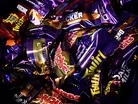
Cadbury in particular is one of the most exposed food brands worldwide – with nearly half (48%) of its brand value exposed to categories at structural risk.
“Changing consumer habits have always shaped the food and drink sector, but GLP-1s have the potential to accelerate that change considerably,” Henry Farr, Valuation Director of Brand Finance, tells Marketing Chief.
“We’re looking at a shift not only in how much people consume, but in what they value when making those choices – from smaller portions and higher protein to products associated with health, functionality and satiety.
“For brands, that doesn’t mean consumers suddenly stop caring about taste, familiarity or indulgence.
“In fact, strong brand equity becomes particularly important when habits are changing. “The challenge is to understand how existing consumer trust and loyalty can be carried into new formats, occasions and product propositions without diluting what made the brand distinctive in the first place.”
Confectionery and chocolate brands at risk
Brand Finance’s research finds that confectionery and chocolate, alongside savoury snacks, account for 53% of the total brand value at risk – despite representing just 30% of overall brand value.
This leaves confectionery brands particularly exposed, as GLP-1s shift consumption towards smaller portions and food associated with satiety.
“What is particularly interesting in our data is that the brands most exposed to GLP-1-driven change are not necessarily struggling today. Many continue to grow strongly,” says Henry.
“In fact, the 28 food brands we identify as most exposed to GLP-1-driven shifts grew their combined brand value by 18% over the past year, compared with 12% growth across the Food 100 overall.
“This is therefore less about responding to an immediate collapse in demand and more about anticipating where consumer behaviour is heading and ensuring that the brand portfolio is positioned for that future.

“The strongest brands have an opportunity to use the equity they have already built to evolve with consumers, while businesses need to ensure their wider brand portfolios are positioned for where demand is going next.”
The strongest brands have an opportunity to use the equity they have already built to evolve with consumers, while businesses need to ensure their wider brand portfolios are positioned for where demand is going next.”
Building brand resilience
This shift in consumer activity is already reshaping brand strategy and business behaviour.
For instance, Ferrero group recently announced that it was acquiring Purely Elizabeth, a US wellness and breakfast brand, having previously acquired WK Kellogg Co in 2025.
Many other food and drink brands are also seeing high resilience in categories aligned with health and functionality – such as Innocent and Yorkshire Tea, Henry explains.
“We’re already seeing major food groups respond through product innovation and portfolio diversification, including investment and acquisitions in better-for-you and functional categories.
“That is likely to become an increasingly important part of brand strategy as companies look to reduce their reliance on categories most exposed to changing consumption patterns.
“Our latest data also showed that several UK brands are indeed benefitting from the wider trend we have observed, particularly in categories aligned with health, functionality, premiumisation and everyday consumption.
“Innocent, for example, has grown its brand value by 64% to £1.2bn (US$1.62bn) - making it the world's fastest-growing juice brand - while Yorkshire Tea's value grew by 35%.
“Yorkshire Tea is a particularly interesting example because its success demonstrates that resilience isn’t simply about being positioned as a health brand.
“Factors like familiarity and consumer trust remain extremely valuable assets as consumption habits evolve.”
- Cadbury's risk exposure: Nearly half (48%) of Cadbury's total brand value is in categories structurally exposed to GLP-1 consumption changes.
- High-risk categories: Confectionery, chocolate and savoury snacks account for 53% of total brand value at risk, despite forming only 30% of overall brand value.
- Exposed brands outperforming: The 28 food brands identified as most exposed to GLP-1 shifts grew their combined brand value by 18% over the past year, outpacing the 12% growth across the Food 100 overall.
- Innocent's valuation: Juice brand Innocent increased its brand value by 64% to reach £1.2 billion (US$1.62bn)
- Yorkshire Tea's growth: Yorkshire Tea expanded its brand value by 35% as consumer demand shifted towards health, functionality and trusted everyday brands.
Who are Brand Finance’s most valuable food brands?
- Nestle: Headquartered in Vevey, Switzerland, Nestlé is the world’s largest food and beverage company. Holding the top spot as Brand Finance’s most valuable food brand, its vast global portfolio includes iconic coffee, confectionery, dairy and infant nutrition products. Operating across more than 180 countries, the conglomerate continues to prioritise health credentials, sustainable sourcing initiatives and product innovation to maintain market leadership.
- Lay’s: Owned by American conglomerate PepsiCo, Lay's is one of the world's most recognisable snack brands and ranks second in brand value. Known internationally for its crisp varieties, the brand has built massive global appeal through localised flavours, strategic digital marketing and extensive retail distribution. It remains an industry titan by consistently adapting to evolving consumer snacking habits across international markets.
- Yili: Inner Mongolia Yili Industrial Group is China’s primary dairy enterprise and holds third position globally among all food brands. Specialising in liquid milk, infant formula, ice cream and functional dairy products, the business has expanded rapidly beyond Asian markets. Yili consistently drives strong global growth through continuous investment in new product innovation, robust international distribution networks and key health initiatives.
- Danone: Headquartered in Paris, Danone is a global leader in food and beverage manufacturing, securing fourth place in the Brand Finance food ranking. Renowned for dairy foods, plant alternatives, bottled waters and specialised nutrition, the French multinational focuses on health solutions. Danone drives growth by championing sustainable agriculture, advanced nutritional science and eco-friendly packaging initiatives across its major worldwide operations
Company portals



Executives

Henry Farr
Valuation Director