
Amcor: Consumer Attitudes Towards Refillable Packaging Shift
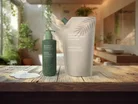
Packaging provider Amcor has published research into consumer behaviour around refillable beauty and hygiene products. The study surveyed 2,749 consumers across six European countries to assess attitudes towards refill systems in the personal care market.
According to Amcor, refill packaging has become established in several personal care categories, including haircare, liquid soap and bath products.
The research assessed consumer interaction with refillable formats, and examined factors that could influence adoption rates across the sector.
Pouch formats lead market
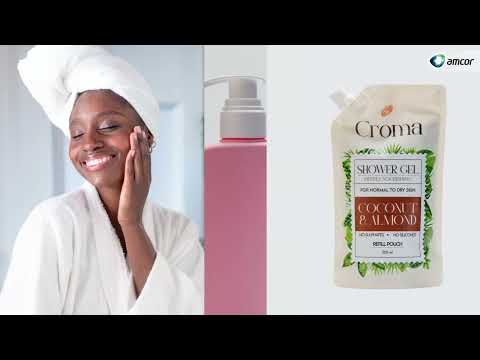
According to Amcor, 66% of consumers bought a refill pouch in the previous 12 months, representing the most common refill format in personal care.
These pouches are designed to work with durable bottles, which could reduce packaging waste when compared to single-use containers. Consumers have adopted the format without substantial barriers, with the research suggesting refill pouches have already expanded beyond niche segments.
Cost considerations dominate decisions
According to Amcor, 86% of respondents expect refill products to cost less than the original items. Price sensitivity was the most frequently cited factor influencing future refill purchases.
Almost 70% of consumers say they would buy more refill products if the cost were lower, which could indicate that price parity or premium pricing may restrict uptake.
Environmental factors also remain part of the purchasing decision. According to Amcor, 81% of respondents are more likely to purchase personal care refill pouches if they are recyclable.
Around two-thirds of respondents are more likely to buy refills containing recycled plastic, with survey results suggesting that consumers want refillable packaging that combines environmental benefits with affordability.
Geoffrey Gendebien, Marketing Manager for Home and Personal Care at Amcor, says: "We can clearly see that refill packaging has moved beyond early adopters and is becoming part of everyday life.
"Brands have an opportunity to strengthen engagement by making refill solutions more visible, more accessible and easier to incorporate into existing shopping habits. Those brands that make choosing a refill feel as simple and intuitive as choosing the original product will be the winners."
Availability gaps remain
According to Amcor, 45% of consumers say they would purchase more refills if they were easier to locate in-store or online. Distribution and visibility continue to create barriers despite growing consumer interest.
Retailers could respond by positioning refills alongside original products on shelves, with nearly half of respondents who do not buy refill products say they cannot find their preferred items in a refill format.
Convenience also needs to align with environmental credentials, says Amcor. Consumers cite product waste from spills and mess during the refilling process as key challenges with current systems.
This could create an opportunity for refill pouches designed to integrate with reusable bottles. Such systems could deliver a cleaner refill experience.
Lara Alemany, Product Line Director, Wellness and Beauty at Amcor, says: "For refill systems to be adopted, every element of the consumer experience needs to be carefully considered. While sustainability remains critically important, consumers also expect refill solutions to be practical, reliable and easy to use.
"This is why packaging design, material selection and system compatibility all play such a critical role in helping brands create refill experiences that consumers want to repeat."
Company portals
Executives

Geoffrey Gendebien
Marketing Manager for Home and Personal Care

Lara Alemany
Product Line Director, Wellness and Beauty