Pop Mart's Labubu Craze Fades as Shares Tumble
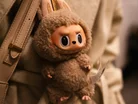
Pop Mart's brand transformation from niche collectible maker to global toy phenomenon appeared unstoppable in 2025. The Beijing-based company rode a wave of celebrity endorsements and TikTok visibility to become one of the world's most valuable toy manufacturers, driven almost entirely by its Labubu dolls – the so-called 'little monsters' that captivated collectors globally.
However, the brand's momentum has stalled dramatically. Despite posting extraordinary annual revenue growth, a fourth-quarter slowdown has triggered a sharp decline in shares, raising questions about the sustainability of Pop Mart's brand strategy and its heavy reliance on a single character franchise.

The meteoric rise of a brand
2025 marked a watershed moment for Pop Mart's brand valuation. By June 2025, the company reached a market capitalisation of US$44.4bn, surpassing the combined value of toy industry giants including Hasbro (US$9.5bn), Sanrio (US$11.2bn) and Mattel (US$6.1bn).
The Labubu doll, originally created in 2015 and licensed by Pop Mart in 2019, achieved unprecedented brand penetration in 2025. The launch of Labubu 3.0 added US$1.6bn to CEO and Founder Wang Ning's net worth in a single day, demonstrating the character's extraordinary brand equity.
The phenomenon manifested in scenes reminiscent of peak sneaker culture: retailers faced lengthy queues, in-store frenzies and even physical altercations. Resale markets flourished as demand outstripped supply, further amplifying the brand's cultural cachet.
Yet by the final quarter of 2025, the brand's trajectory began to shift. Shares declined as analysts questioned whether Labubu represented a sustainable franchise or merely a fleeting trend. Resale prices softened even as Pop Mart continued expanding its retail footprint.
Brand performance struggles
The company's full-year 2025 results, released in March 2026, revealed the paradox facing Pop Mart's brand strategy. Annual revenue reached 37.10bn yuan (US$5.4bn) – a 185% increase from 2024 – whilst net income more than quadrupled to 12.80bn yuan (US$1.9bn). However, the fourth-quarter deceleration prompted investors to reassess the brand's longevity.
"A material slowdown in the fourth quarter [has amplified] investors' concern on the durability of top IP's popularity," says Jeff Zhang, equity analyst at Morningstar.
"A pullback in dividend payout ratio to 25% in 2025 from 35% in 2024 is another negative to us. Pop Mart has also doubled down on the licensing business and theme park operations, but we think execution risks remain high."
The Monsters family, which includes Labubu, contributed 38% of total annual revenue, exposing the brand's concentration risk. Whilst other Pop Mart intellectual properties experienced growth – Skullpanda sales more than doubled to 3.54bn yuan (US$512m), whilst Crybaby and Dimoo both tripled – none approached Labubu's brand dominance.
The brand's second-half performance failed to meet market expectations. Following the financial report's release, Pop Mart shares fell more than 20% by midday, reflecting investor concerns about the company's brand portfolio strategy.

Diversifying Popmart's portfolio
Wang has signalled a strategic shift in Pop Mart's brand management approach. "Even without Labubu last year you will find we obtained extremely fast growth," he says, adding that the company is planning to continue investing in its other IPs.
Wang continues: "We won't pursue overly aggressive growth that boosts revenue at the expense of profitability."
This pivot towards brand diversification represents a significant change from Pop Mart's previous strategy of riding the Labubu wave. The company is now actively working to elevate other characters within its portfolio to reduce dependency on a single franchise.
Prior to the financial report, Pop Mart announced a collaboration with Sony Pictures to develop a Labubu film, revealed during a global exhibition tour marking the toys' 10th anniversary. This move follows successful brand extensions by LEGO and Mattel, and could help maintain the brands' popularity.
Company portals


Executives
Jeff ZHANG
Equity Research Analyst